
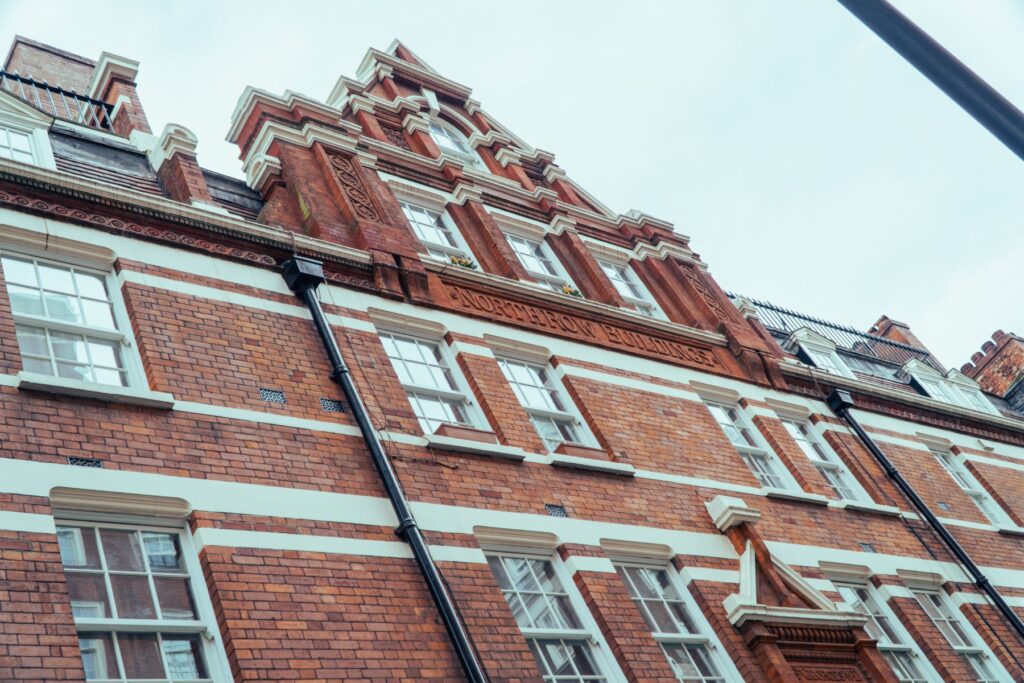
Check the building before you choose the window. Find out if it's listed or in a conservation area and whether an Article 4 direction covers it, since those answers decide which consent you'll need and if replacement makes sense. This guide works through heritage windows in conservation areas in the order a planning officer usually would.
We're Exterior Plas, a family run manufacturer in Thornwood, Epping, founded in 1988, and we make heritage style windows. Even so, check the rules first.
Key takeaways
– Ask your local planning authority whether the property is listed or in a conservation area, and whether an Article 4 direction applies.
– Repair usually comes first in listed building window replacement guidance, including Historic England's advice, and window changes to a listed building are likely to need listed building consent.
– Secondary glazing is often an option where original windows need to stay.
Is your building listed or in a conservation area?
Ask your local planning authority, which can confirm both. Listing and conservation area status aren't the same thing, because a listed building is protected in its own right, inside and out, while a conservation area protects the character of a whole street or district. In a conservation area, attention tends to fall on what people can see from the road, and most councils publish conservation area maps online.
The rules aren't identical UK wide, and the sources below focus mainly on England, so outside England your own council's guidance is the place to check first.
Can you repair or add secondary glazing instead?
Often, yes, since Historic England's guidance puts repair and careful upgrading ahead of replacement where historic windows survive.
Old frames and historic glass carry much of a building's character, and once they've gone they can't be put back. Sticking sashes and broken cords can usually be fixed without replacement, and draught proofing can make a room more comfortable without changing the look outside. Get a joiner's view first.
Secondary glazing is the other route. It's fitted inside the existing window, so the original frame stays, and Historic England covers it as a way to improve thermal performance partly because it can be removed later without harming the original. Ask first on a listed building, as consent may be needed for internal works too. We supply secondary glazing for homes and for properties managed by councils, housing associations and schools.
What consent might you need?
Listed buildings usually need listed building consent, while houses in conservation areas may need planning permission where an Article 4 direction applies or the new windows look different. It comes down to status.
| Property | What to expect |
|—|—|
| Listed building | Listed building consent is likely for most window changes, inside or out |
| House in a conservation area | Permitted development may cover replacements that look similar, unless an Article 4 direction removes it |
| Flat or maisonette | These don't have the same permitted development rights as houses, so an application may be needed |
| Any replacement window | Building regulations still apply, whatever the planning position |
An Article 4 direction lets a council remove certain permitted development rights in a defined area, so where it covers windows, a change you'd normally make without an application may need one. The Planning Portal sets out the general position, and works to a listed building without consent can be a criminal offence. So ask first.
What does like for like mean?
The new window should keep the character of the old one, so its proportions and glazing bars should match as closely as possible, along with frame depth and the way it opens.
A true sliding sash and a casement styled to look like one read differently, especially when they're open. Councils notice that. Material matters too, since some authorities will accept uPVC on an unlisted house in a conservation area and others won't, while listed buildings are a separate question altogether. Don't assume uPVC is fine until the planning team has said so.
Our heritage and timber windows
We manufacture heritage style windows as well as timber windows and secondary glazing, and our heritage windows include uPVC sliding sash styles that keep a traditional look. They're made at our factory in Thornwood, which covers around 15,000 sq ft and has CNC machinery, and we fabricate REHAU systems there. Where timber is expected, see our timber windows, and we also cover older properties across the capital as well as Essex and the South East.
We can't promise a consent outcome on any project. That's your planning authority's call.
For a free quote, call 01992 578 903 or email enquiries@exteriorplas.com, Monday to Friday 9am to 5pm, or visit our showroom on Weald Hall Lane, Thornwood, or use our contact page.
When this is not the right choice for your building
Replacement isn't right when repair is realistic. That covers windows that are sound or can be repaired, and cases where your council has said it won't support replacement on a listed building or wants the originals kept. It's also the wrong move if the authority expects timber and you're set on uPVC, or if you haven't yet checked for an Article 4 direction.
In those cases, start with repair or secondary glazing.
FAQs
Do I need planning permission to replace windows in a conservation area?
Sometimes. If you live in a house and the new windows look similar, permitted development may cover the work, though an Article 4 direction can remove that right. Flats and maisonettes don't have the same rights as houses, so check with your local planning authority before you order anything.
Can uPVC windows go in a listed building?
Not easily. You'll need listed building consent for most window changes, and authorities often expect traditional materials on listed properties, so speak to the conservation officer before choosing a product.
Is secondary glazing allowed on listed buildings?
In many cases, yes, as the original windows stay in place, but consent may still be needed, so ask first.
Who should I speak to first?
Start with your local planning authority, and its conservation officer if it has one. Once you know where you stand, send us photos and any guidance you've been given, and we'll explain which of our products might suit the building.
Sources
– Historic England, Modifying historic windows as part of retrofitting energy saving measures